Baiting wild honeybees in Singapore

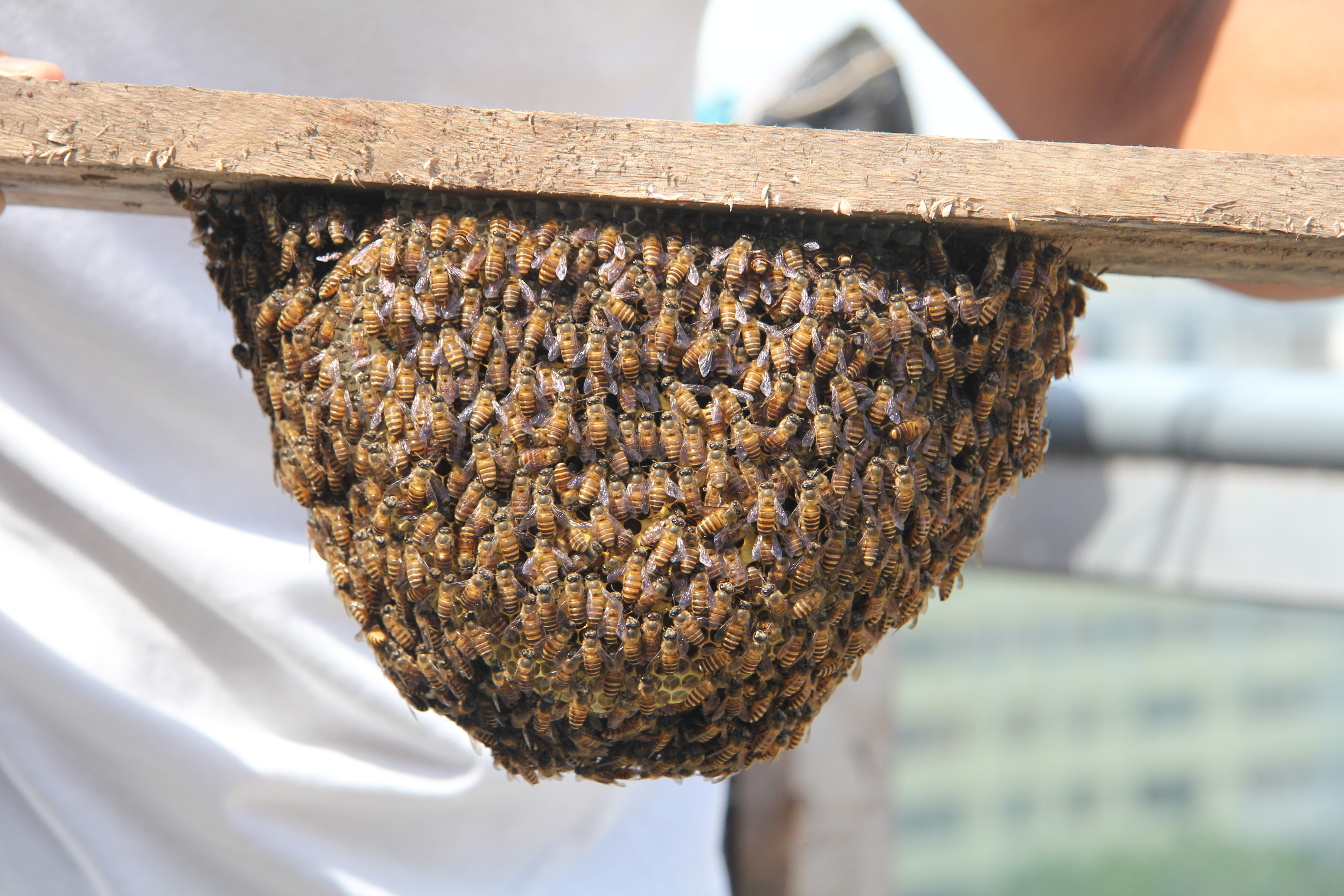
We have been keeping bees in Singapore for over two years. I don’t mean keeping in the sense that we keep pets like dogs and cats, or even domesticated animals like chickens and goats. Bees are wild and they don’t need us to feed or protect them to survive. They forage for their own food in the surrounding flora and they defend themselves from honey robbers like ants (and sometimes humans). If they don’t like where you keep them, they simply move off to better grounds.

Asian honeybees (Apis cerana)

Asian honeybees (Apis cerana)

Urban beekeeping is a growing movement in different cities over the world. There are over 3,000 bee hives scattered across London. There are also many on top of hotels, museums, and other prominent buildings in global cities like New York, Paris, Hong Kong, and Melbourne. Singapore is late in the game! Continue reading

Maemut Garden – A young but thriving farm

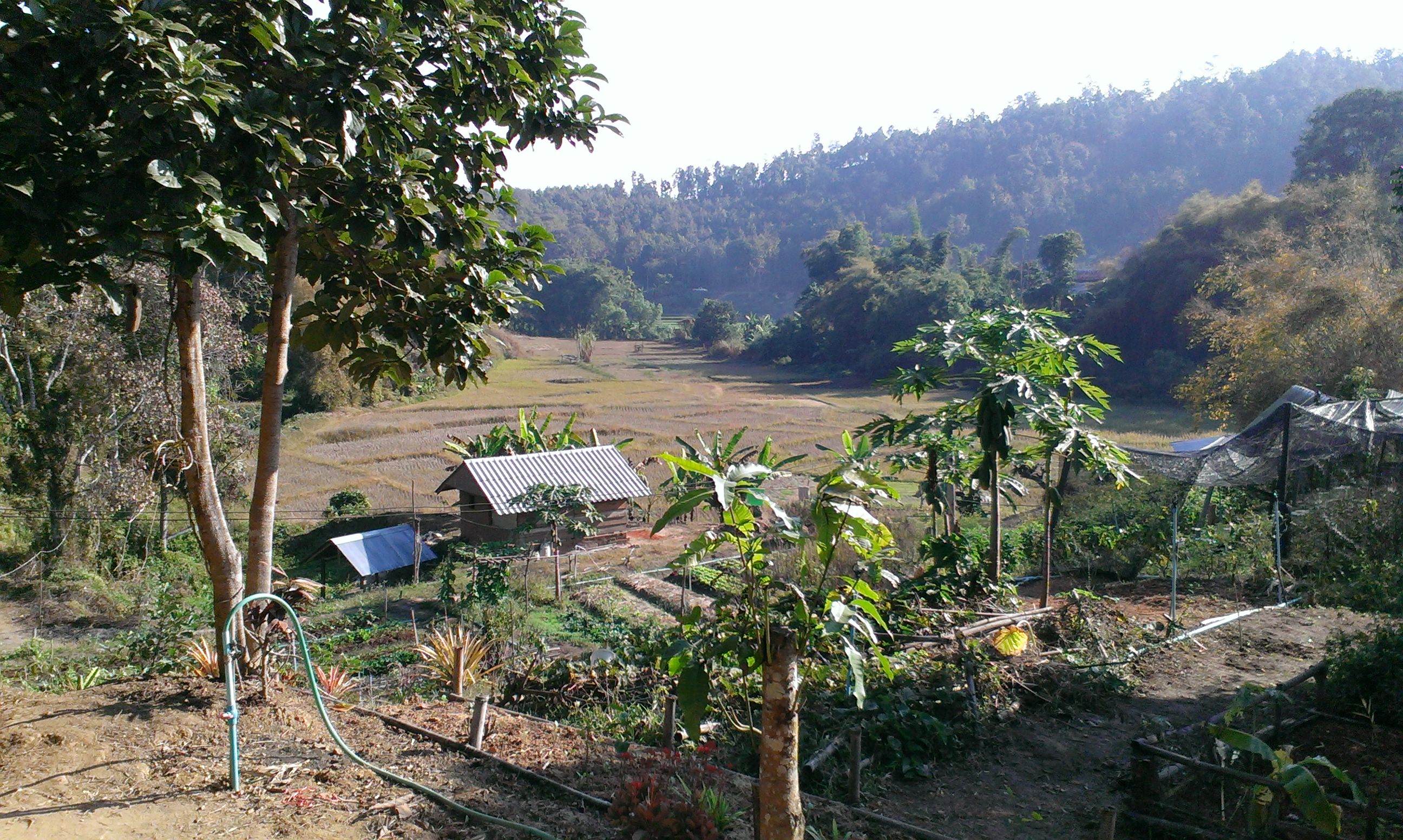
The last stop during our Chiangmai trip was a 10-acre piece of land about an hour southwest of Chiangmai in the village of Maemut. To get there, we rode along the beautiful valley into the mountains, leaving the urban areas behind us. We saw a motorbike crash right in front of us which really reminded us of the dangers lurking behind the enjoyment. We passed by some touristy venues like river rafting and elephant riding without stopping.

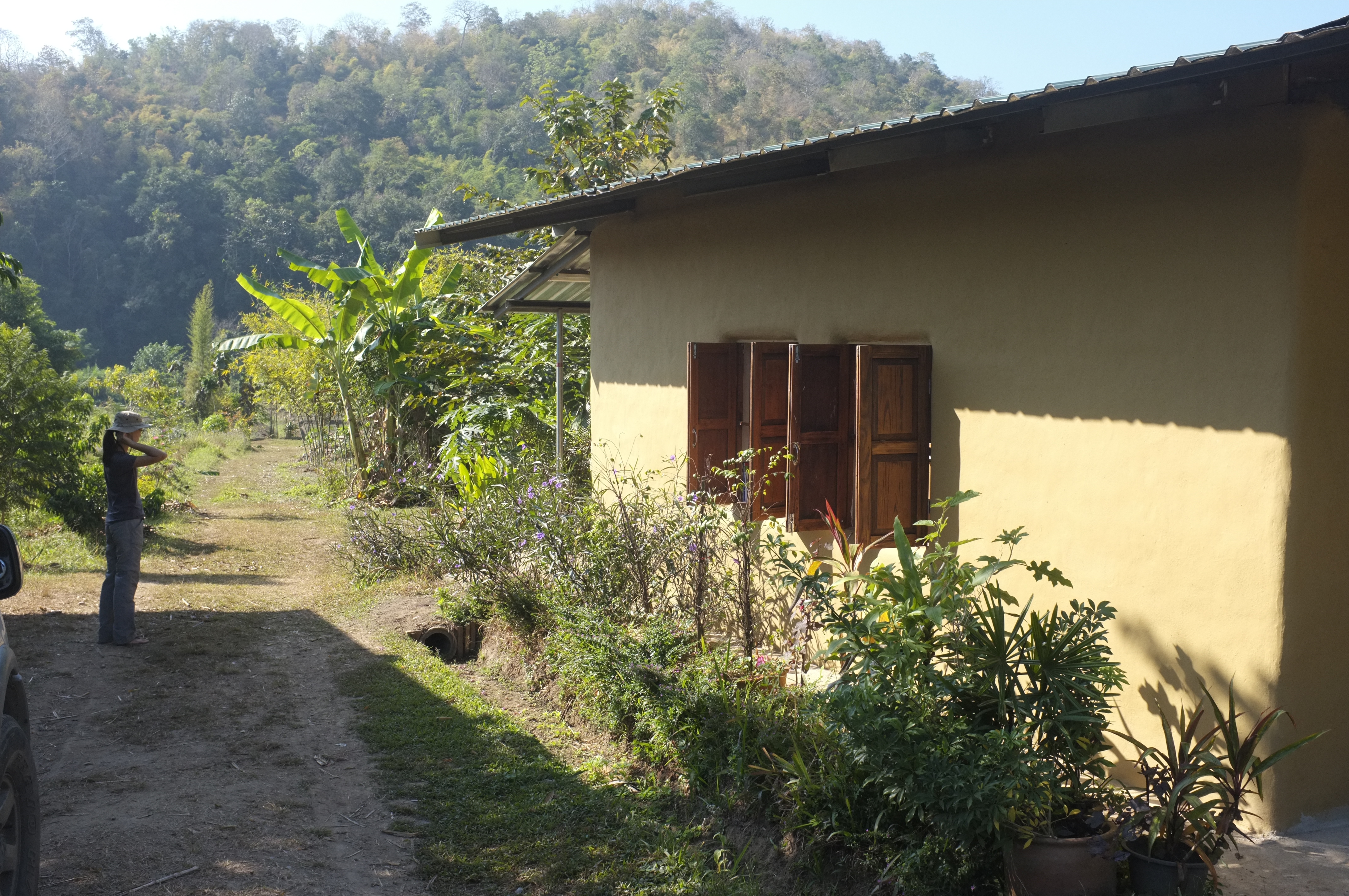
The family house in the middle of everything

The family house in the middle of everything

A young family lives at Maemut Garden. Marco is a humble Italian who speaks Thai. Nok is the reason Marco turned his short Chiangmai trip into a permanent stay. They have a two year old baby daughter Serena who entertains us with her budding talent in traditional Thai dancing. Pi Hom is a Thai lady that helps out with everything and made the farm what it is today. Other than these permanent occupants, there are also people staying for different durations. Long-term renters for over a year, home-stayers for a few days, and volunteers for a few weeks. Continue reading

Project Spectra 3 – Building Biomass and Stablizing the Ecosystem

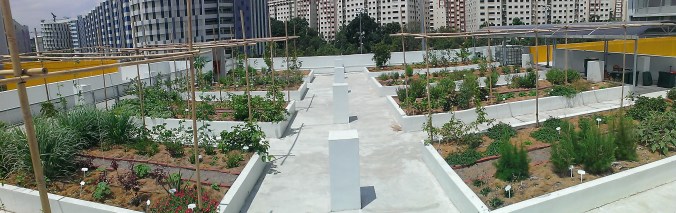
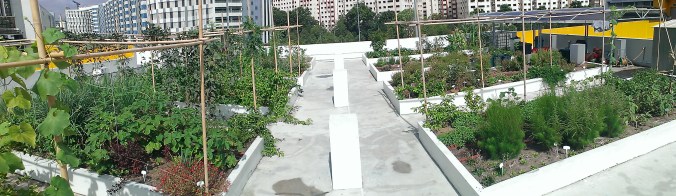
It has been over 3 months since we last updated about Project Spectra. Back then, we chopped and dropped the green manure to prepare for a round of planting. After leaving the green manure to break down in the soil for a week, we started planting works. Here is our progress so far.


While the garden today is very much different from what it was before, we are still dealing with many problems that come with starting a garden from scratch. There was zero life on this rooftop just a few months ago and you are creating a universe! The ecosystem is still unstable and the rooftop conditions are too hot and windy. We have started the process of restoring soil fertility through adding compost and green manure. However, there is still lots to be done by nature herself, and nature does not rush. Continue reading

Starting a Food Forest on New Land

During our stay at Maejo Baandin in Chiangmai, we met a couple who have been staying there for a while. Po is from Bangkok and Shiran is from Israel. They are both musicians and met in India when they were there studying classical Indian music. They have a small white dog that they adopted from the streets.

They had recently bought a piece of land around Maejo village to – as Po puts it – retire on. Po was a music producer and had been in the music industry in Bangkok since he was a university student. He eventually became very jaded of the superficiality and commercial aspect of the industry that he moved to a remote island in Thailand. He has traveled around quite a bit and was even a forest monk for a year. Po might seem very old from my description but he is only in his early 30s. He laughs readily and his humour is eccentric. When offered an ice-cream by a young boy, he exclaimed: “No I can’t eat that, I’m a rockstar! Continue reading

Maejo Baandin – Building Houses with Mud

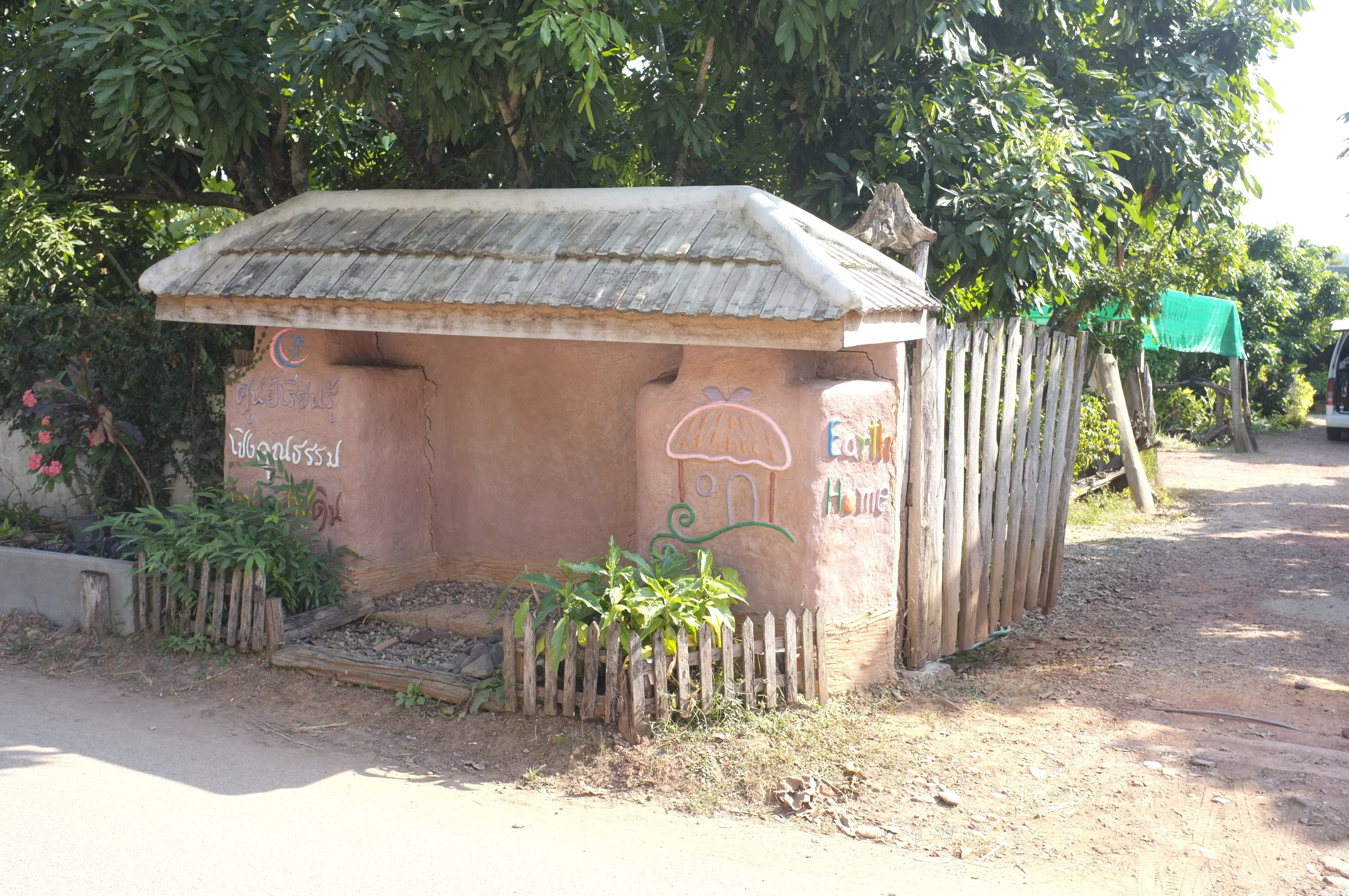
After leaving Mindful Farm on the second day of 2015, we once again hopped on to our neglected motorcycle and went on the road. After taking a few wrong turns, getting lost, and asking around, we finally got to our next destination – Maejo Baandin. Maejo is the name of the village, “baan” means home in Thai, and “din” is earth. Not surprisingly, we were greeted by many beautiful mud structures in the premise.

Found the entrance at last!

Found the entrance at last!

Maejo village is a remote village located 2 hours drive North of Chiangmai city. In this village within walking distance to one another, there are three places that promote sustainable living – Maejo Baandin, Pun Pun, and Panya Project. Pun Pun promotes mud building and seed saving for self-reliance. Panya Project is a community of volunteers and they regularly teach permaculture courses. Continue reading

Video: How Wolves Change Rivers

A short video that talks about how wolves reintroduced to Yellowstone National Park in the United States after being absent nearly 70 years caused the most remarkable “trophic cascade”. The wolves give life by killing. This shows the importance of biodiversity in any ecosystem, farming or not. It shows the futility of human efforts in micro-planning and micro-managing something as complex as nature. Sometimes you just have to step back and let nature decide…


Narration from TED: “For more wonder, rewild the world” by George Monbiot. Watch the full talk, here: http://bit.ly/N3m62h

Mindful Farm – Cultivating Oneself

IMG-20141230-WA0003

A sanctuary to calm the monkey mind

I ended year 2014 and stepped into 2015 at a farm a few hours northwest of Chiang Mai city in Thailand. From the name Mindful Farm, you can probably guess that it focuses on mindfulness and meditation. The farm was started by a former monk Pi Nan (literally meaning ex-monk) and his Japanese wife Noriko about 2 years ago. They have a baby girl Nobara who is very calm compared to most city kids that grew up with the ipad. Continue reading

Foraging Diaries (NTU Herb Garden)

Michelle is our resident forager. If you get the chance to take a stroll with her, you might notice that she has the ability to stop suddenly to pluck off some weed-looking plant from the roadside and put it in her mouth. She will be sharing her foraging diaries with us in hope that we can start seeing the forest as a free grocery store. Here goes…


We got word about a day before about some chefs wanting to forage – Mads Reflunds, fresh off the 4×4 event, with other chefs – Dave from Burnt Ends, Bryan from Morsels, Denise who gathered us all, us farmer folks, and Rebecca, interviewing Mads for the Straits Times.

We brought the guys to NTU (Nanyang Technological University), one of my favourite spots for the curious plants, including the fragrant Tonkin Jasmine, with its mandarin colored, edible flowers blossoms.

I am observing the responses. Uncle Ng leads the tour, serving his usual rounds of herbal tea (which I politely turn down). Mads gingerly picks up, and sniffs the Asiatic Pennywort, Centella Asiatica, breaking into a grin – finally – someone who gets excited by ingredients! (often times I get blank stares when I share with friends about this).

We move through a few other plants familiar to us – Wild Mints, Shinybush, Wormwood, Blue Butterfly Pea and Yellow Pea flowers, Wild Maracuja (tiny in size), etc. I am once again exhausted from the mosquitos that leave me bitten and bleeding. Continue reading

Project Spectra 2 – Green Manure + Chop-and-Drop

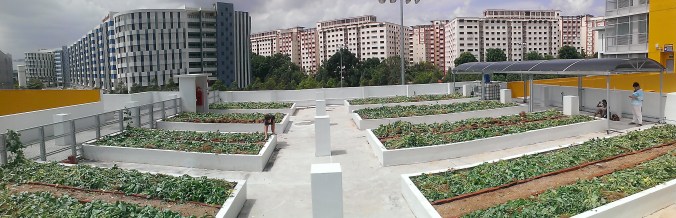
Earlier, we posted about kickstarting the rooftop farm at Spectra Secondary School by growing green manure. You can read about that here. We are happy to report that the legumes have been growing very happily and rapidly. We have been intentionally lazy and have not watered or done anything. There is a time for us humans to work hard and there is also a time to sit back and watch nature do her magic. As expected, the monsoon rain really sped up the growth of our green manure.

Week 3

The legumes have sprouted and grown through the thin layer of mulch. You can literally see it growing by the day!


Continue reading

Project Spectra – Farming on a Rooftop

We were tasked to build a farm on the rooftop of Spectra Secondary School recently. It is a new secondary school in northern Singapore that focuses on vocational and practical skills so that students will be well-equipped to work upon graduation. The school’s philosophy behind this rooftop farm initiative is “No One Owes Us a Living – We Work Hard to Put Food on the Table”. As such, we will also be teaching the students how to farm organically. I have no doubt that it is out of this world for these city teenagers.

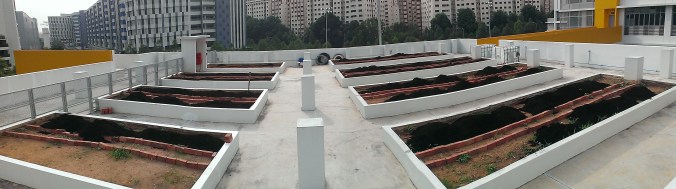
The barren rooftop when we first stepped onto it.

The barren rooftop when we first stepped onto it.

The good and also bad thing is that the infrastructure is already built. There are 11 big concrete planters filled with soil which means we can start growing soon. Unfortunately the soil has been left bare for a few months. In the tropics, this mistake was magnified by the baking sun and torrential rain. I learned from the school that the landscape contractor has scraped off the top layer of the soil because it was muddy. My guess is that the “mud” is actually the fertile top soil that got damaged by the elements. We are now left with the clay subsoil… Continue reading